As millions of students head back to school across the country, understanding school bus stop laws is more than just a way to avoid costly fines — it’s a critical step in protecting young lives. With over 480,000 school buses on the road each day, carrying 26 million students, it's essential for every driver to know these life-saving rules. Whether you’re navigating school zones or commuting through residential areas, this guide will help ensure that you’re not just following the law, but also making the roads safer for the most vulnerable.
School buses use a sophisticated light system designed to give drivers advance warning and clear instructions:
Amber/Yellow Flashing Lights: The Pre-Warning
When you see amber lights flashing, it’s your first alert that the bus is preparing to stop. These lights activate:
What You Should Do: Slow down immediately and prepare to stop. Do not attempt to pass the bus.
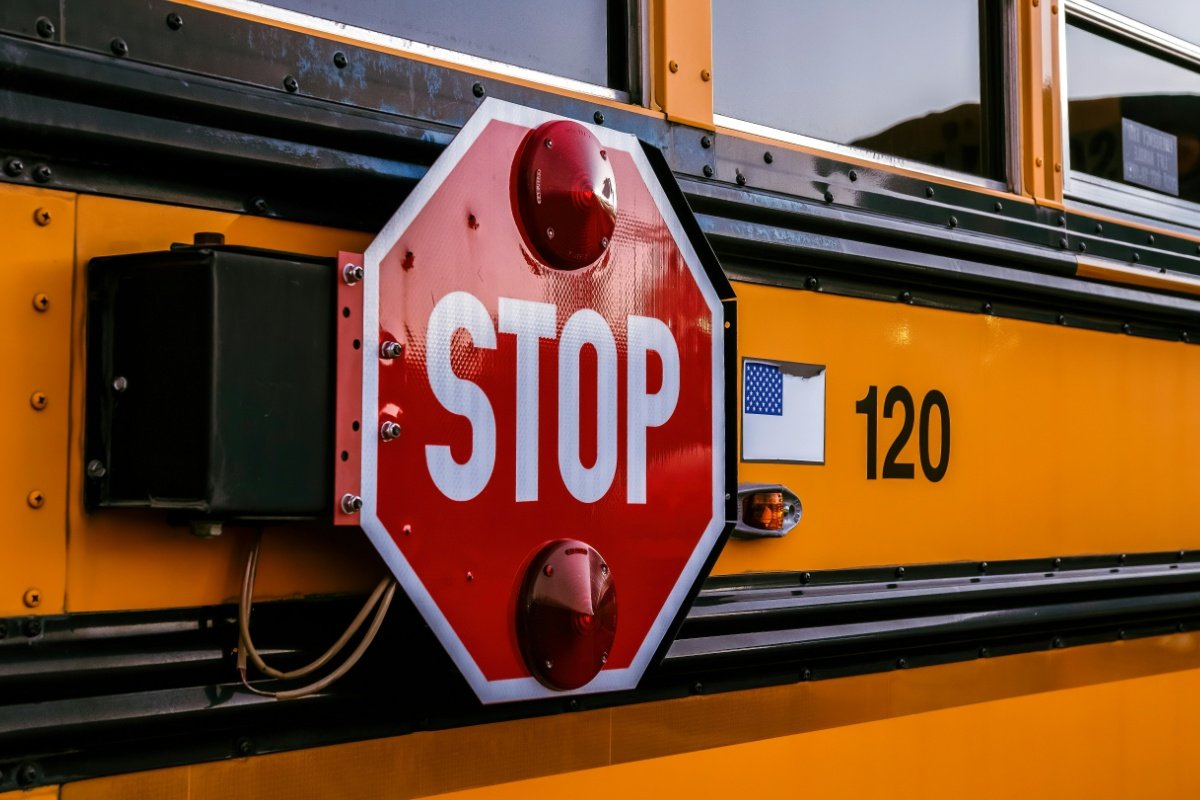
Red Flashing Lights: The Absolute Stop Signal
Red flashing lights mean students are boarding or exiting the bus — when children are most vulnerable.
What You Must Do:
Always Stop When:
The Only Exception:
Divided Highways with Physical Barriers: Vehicles traveling in the opposite direction don’t have to stop, but should still exercise caution.
Penalties for illegally passing a school bus vary by state, but they are severe.
Typical Penalties:
Enhanced Penalties in 2025:
Every year, 70-100 school-age children die in school bus-related incidents, with 70% of fatalities occurring outside the bus.
Key Facts:
The “Danger Zone”:
Children are taught the 10-foot rule around buses, but small kids can easily be invisible to drivers.
School buses are equipped with cutting-edge safety features to protect children:
External Safety Systems:
Violation Detection Technology:
Beyond legal requirements, here are some tips to make your morning and afternoon commute safer:
Morning Safety Tips:
Afternoon Safety Tips:
Insights from professional school bus drivers:
"The amber lights are your friend. They give you time to react safely. Too many drivers see them as a challenge to speed up."
– Sarah Martinez, 15-year veteran driver
"Parents dropping kids at bus stops often create hazards. They make U-turns or stop suddenly."
– James Thompson, School Transportation Supervisor
"We can see everything from up high. The number of drivers texting while passing stopped buses is terrifying."
– Michelle Roberts, Bus Driver Trainer
While drivers must follow laws, children must also learn safety.
Key Lessons for Children:
Top 5 Violations:
Law enforcement is increasing school bus safety enforcement:
Enforcement Strategies:
Other countries have different approaches to school bus safety:
Q: What if I can’t see the bus lights due to sun glare?
A: Err on the side of caution and stop. Sun visors and polarized sunglasses can help.
Q: Do these rules apply to church and daycare buses?
A: Yes, if equipped with flashing red lights and stop arms.
Q: Can I pass a stopped bus in a parking lot?
A: No, the rules apply to any public roadway or parking area.
Emerging technologies and policies are shaping the future of school bus safety:
Coming Soon:
What you can do:
School bus stop laws are in place to protect children. Every time you stop for a school bus, you're not just following the law — you're protecting someone's child, sibling, or friend.
Stay alert, stay patient, and help ensure every child gets to school and back home safely.
For more school bus safety resources and CDL training information, visit our Safety Resources section or explore our CDL Practice Tests if you're interested in becoming a professional school bus driver.