Every school day begins with someone families depend on before students even enter a classroom. School bus drivers do much more than operate a vehicle—they protect children, manage unexpected situations and help schools stay connected to their communities.

As students return to school, truck drivers and other motorists need to be extra careful around school buses, bus stops, crosswalks, and school zones.

Driving a school bus is not easy, but it is a job that can be learned with good training and practice. School bus drivers have an important job: they safely take students to and from school each day. A driver must know how to handle a large vehicle, watch the road, use mirrors, and keep students safe.
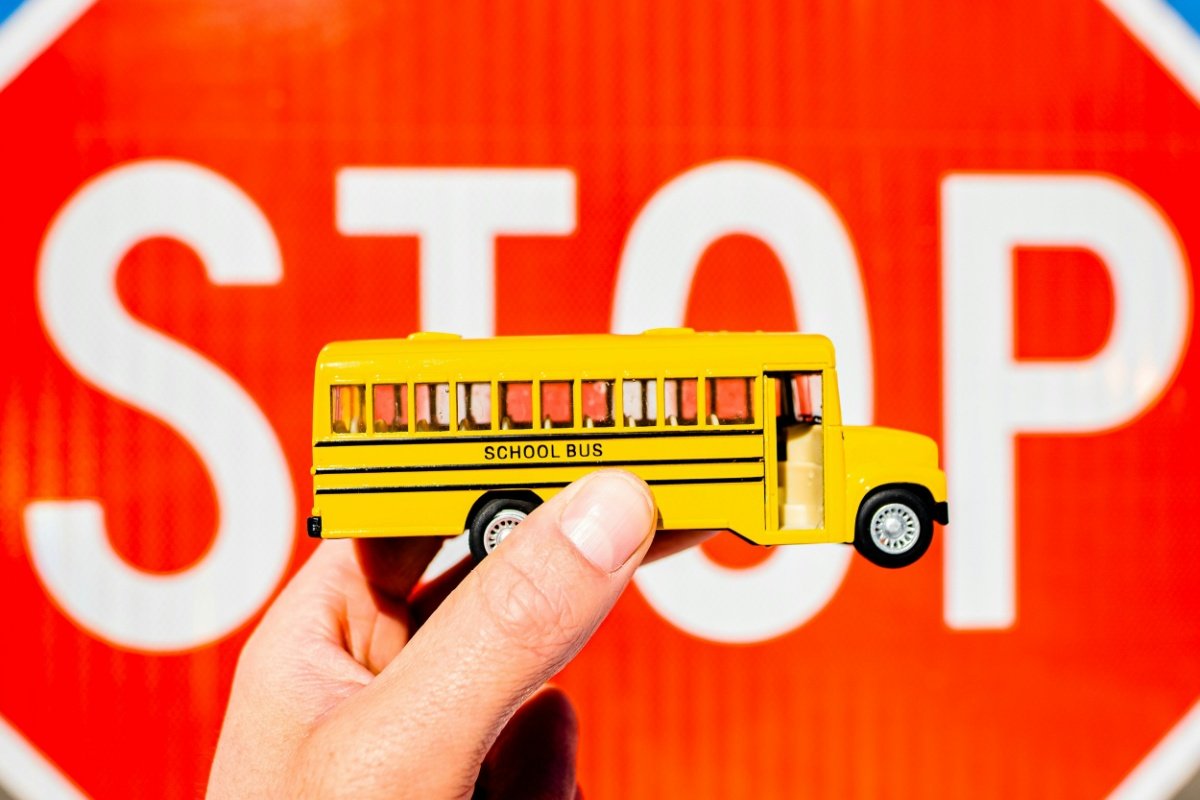
When the red lights flash and the stop arm extends from a school bus, it’s more than a signal — it’s a legal order to stop. Across the United States and around the world, these rules exist for one reason: to protect children as they get on and off the bus.
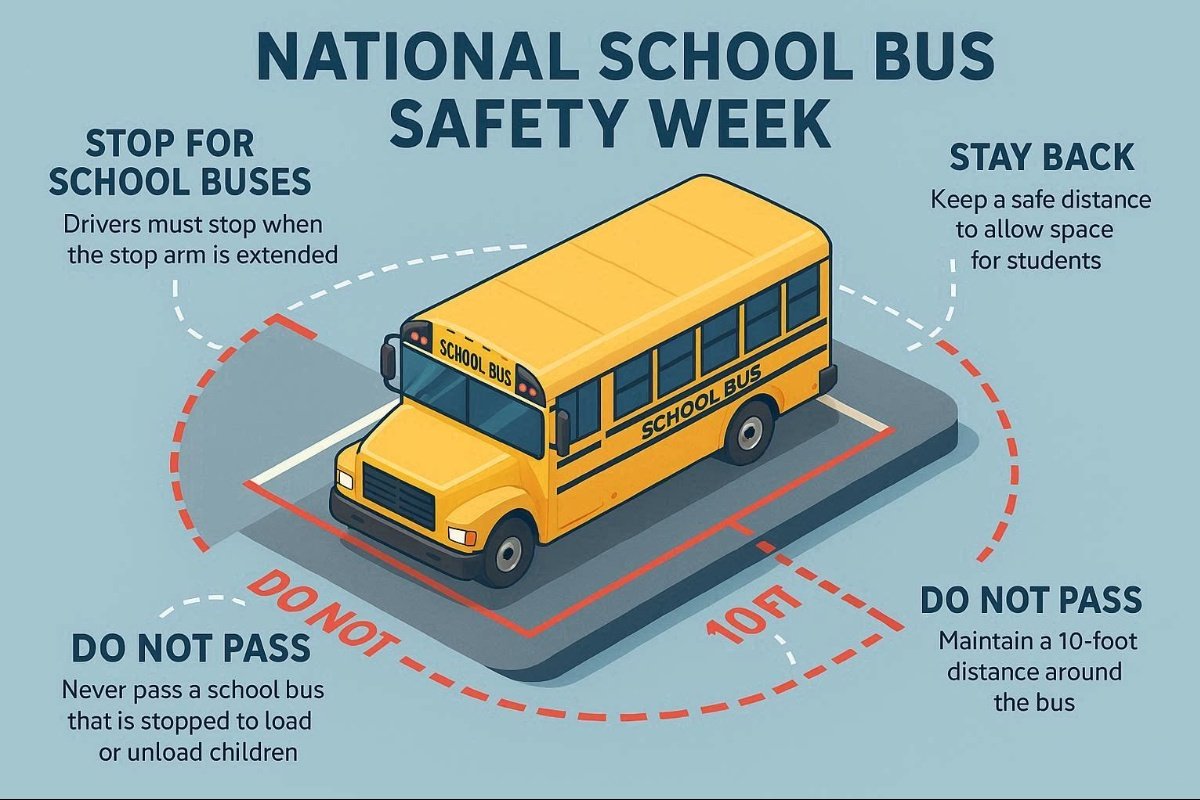
Every school day, approximately 26 million children ride school buses across America, making them the safest form of student transportation. However, the most critical safety risks don't occur inside the bus—they happen in the area immediately surrounding it, known as the "Danger Zone."
The U.S. Department of Transportation (DOT) has announced new federal restrictions affecting how states issue and renew commercial driver’s licenses (CDLs) and learner’s permits (CLPs) for non-domiciled individuals, including those who drive school buses. The rule, issued by the Federal Motor Carrier Safety Administration (FMCSA), aims to ensure only drivers with verified legal status and proper documentation are allowed to operate commercial vehicles in the United States.
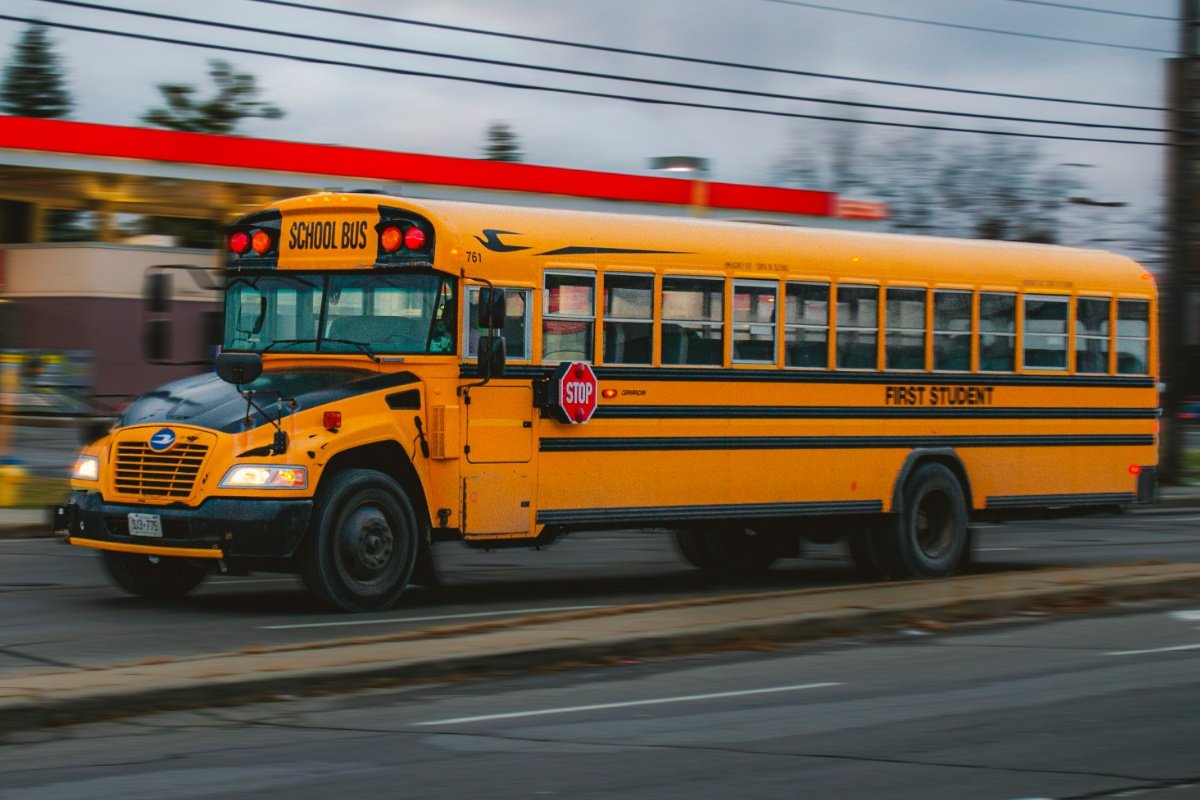
New York State has made a bold move in the fight against climate change and air pollution. Under a 2022 state law, every school bus operating in the state must be fully electric by the year 2035. In addition, starting in 2027, all newly purchased school buses must be zero-emission vehicles. This legislation is a major step toward reducing greenhouse gas emissions and improving air quality — particularly in urban areas where diesel buses contribute heavily to pollution.
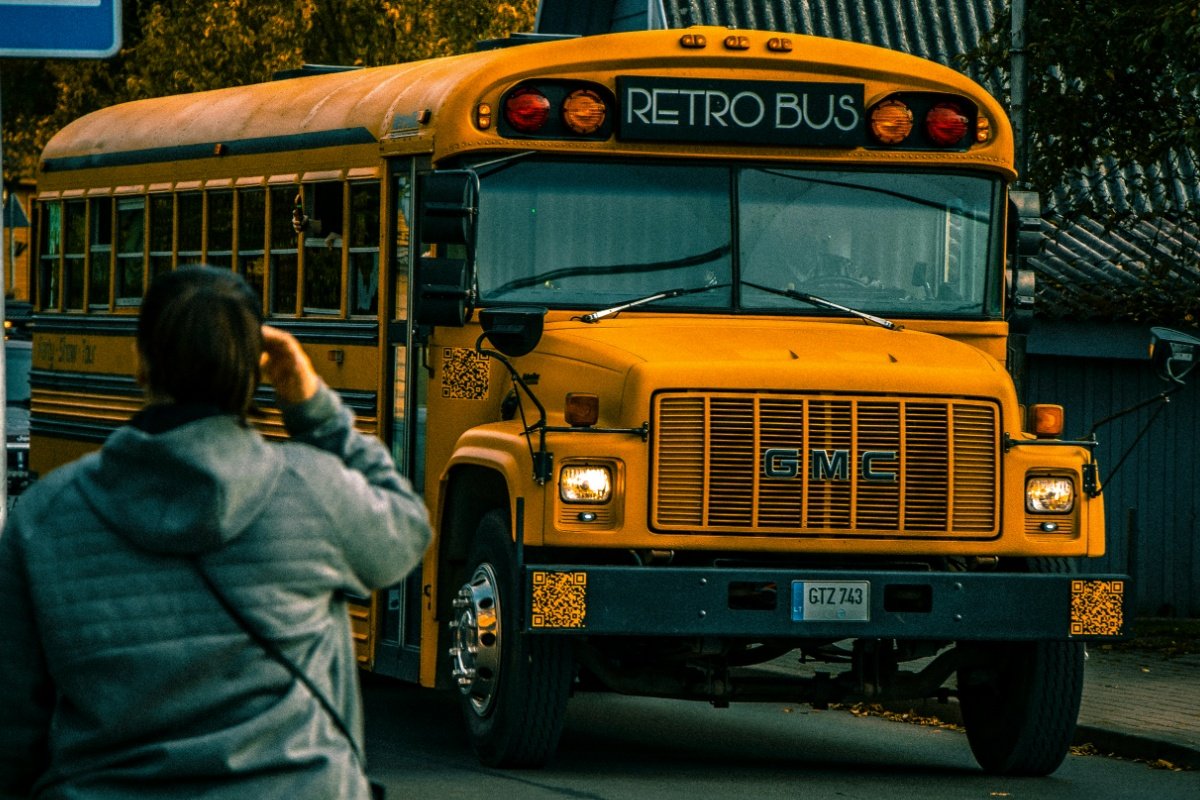
School buses are a very safe way to get to school. Every day, drivers and students work together to make sure everyone arrives safely. Here’s how you can help!
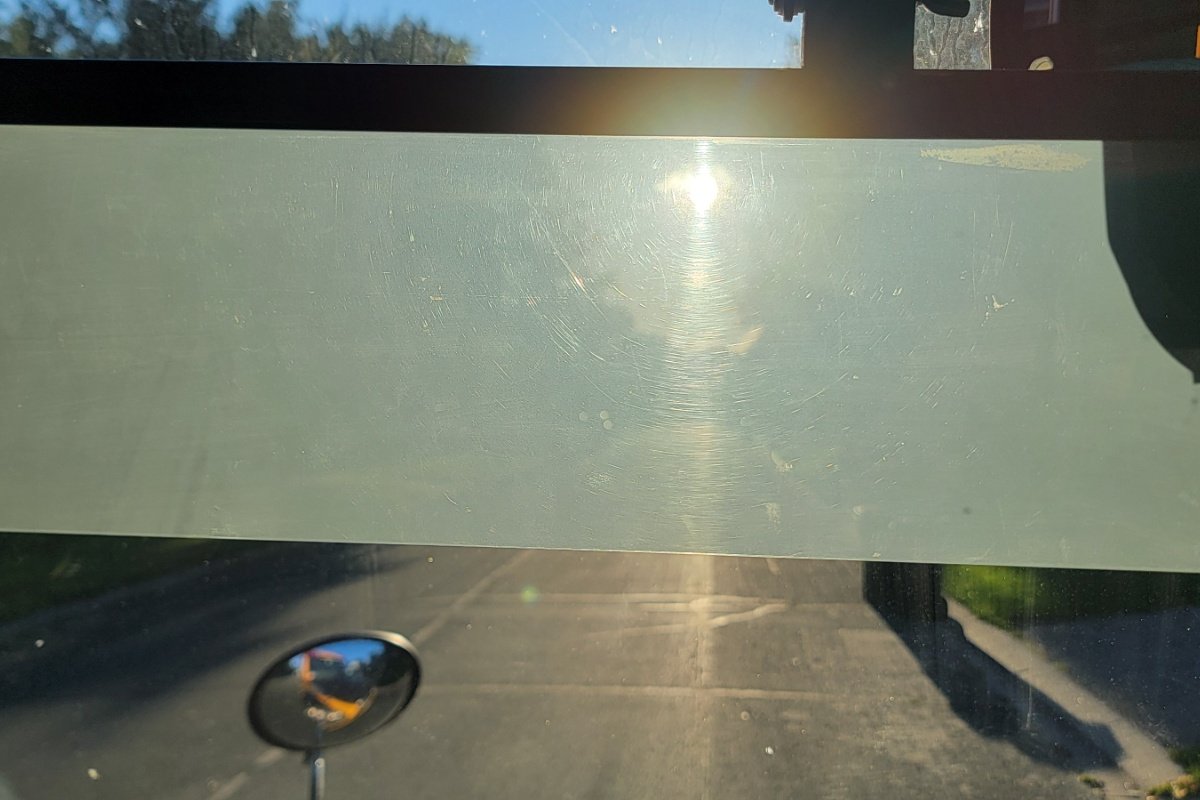
Every day, school buses carry millions of children across the United States, placing the responsibility for their safety in the hands of professional drivers. These vehicles are required to undergo annual safety inspections under Department of Transportation (DOT) regulations to ensure all systems meet federal safety standards. However, one critical component directly affecting driver visibility — the sun visor — is not included in these inspections.
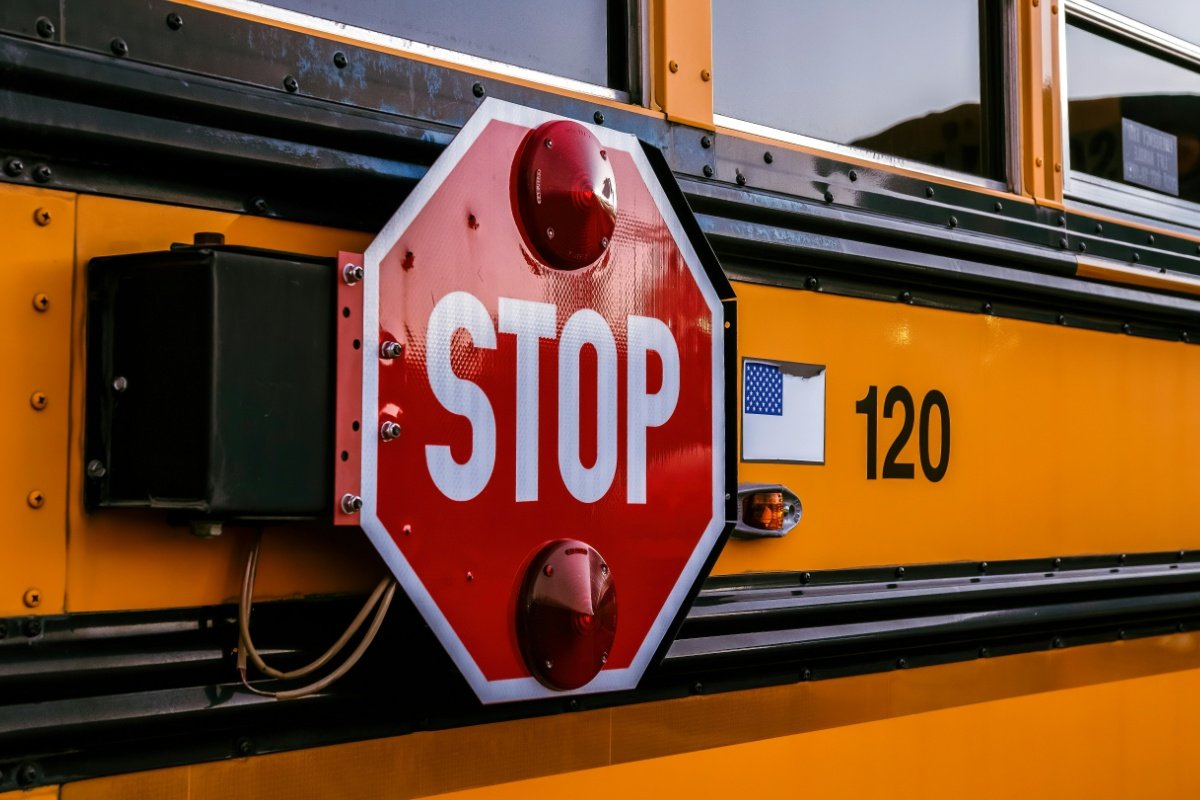
As millions of students head back to school across the country, understanding school bus stop laws is more than just a way to avoid costly fines — it’s a critical step in protecting young lives. With over 480,000 school buses on the road each day, carrying 26 million students, it's essential for every driver to know these life-saving rules. Whether you’re navigating school zones or commuting through residential areas, this guide will help ensure that you’re not just following the law, but also making the roads safer for the most vulnerable.

Becoming a school bus driver is a fulfilling career that offers flexible hours, job stability, and the chance to make a positive impact on children’s lives. With the growing nationwide shortage of school bus drivers, wages are rising, and signing bonuses of $1,000-$4,000 are becoming more common. If you’ve ever considered this rewarding job, 2025 may be the perfect time to get started.
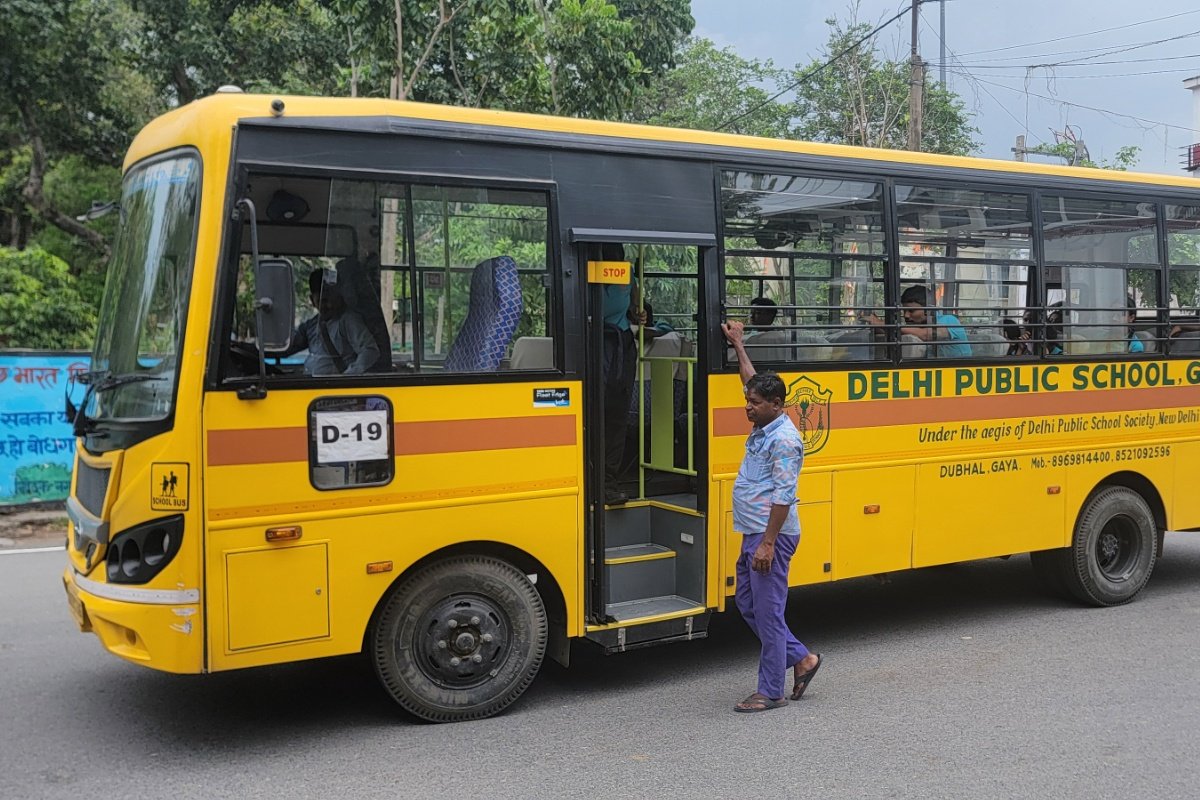
Meet Rajesh Uncle, as the kids call him. Every morning at 6 AM, he's already checking his Delhi Public School bus, making sure everything's ready for another day of safely getting 40+ kids to school and back home.
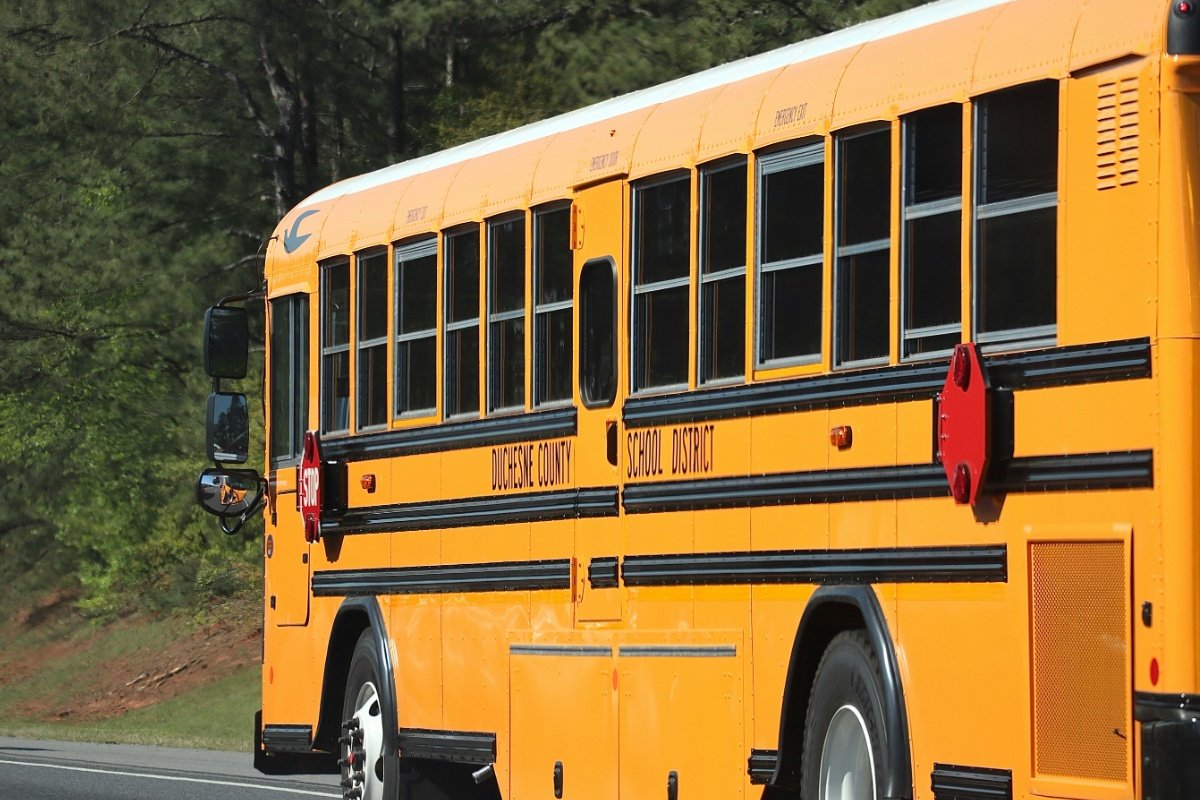
Being a school bus driver is more than just getting kids from point A to point B — it’s about making a difference in their lives. Every day brings new opportunities to connect, uplift, and support students in ways that often go unnoticed. From a simple smile in the morning to being a trusted mentor for a troubled child, the impact of a caring driver can last a lifetime.
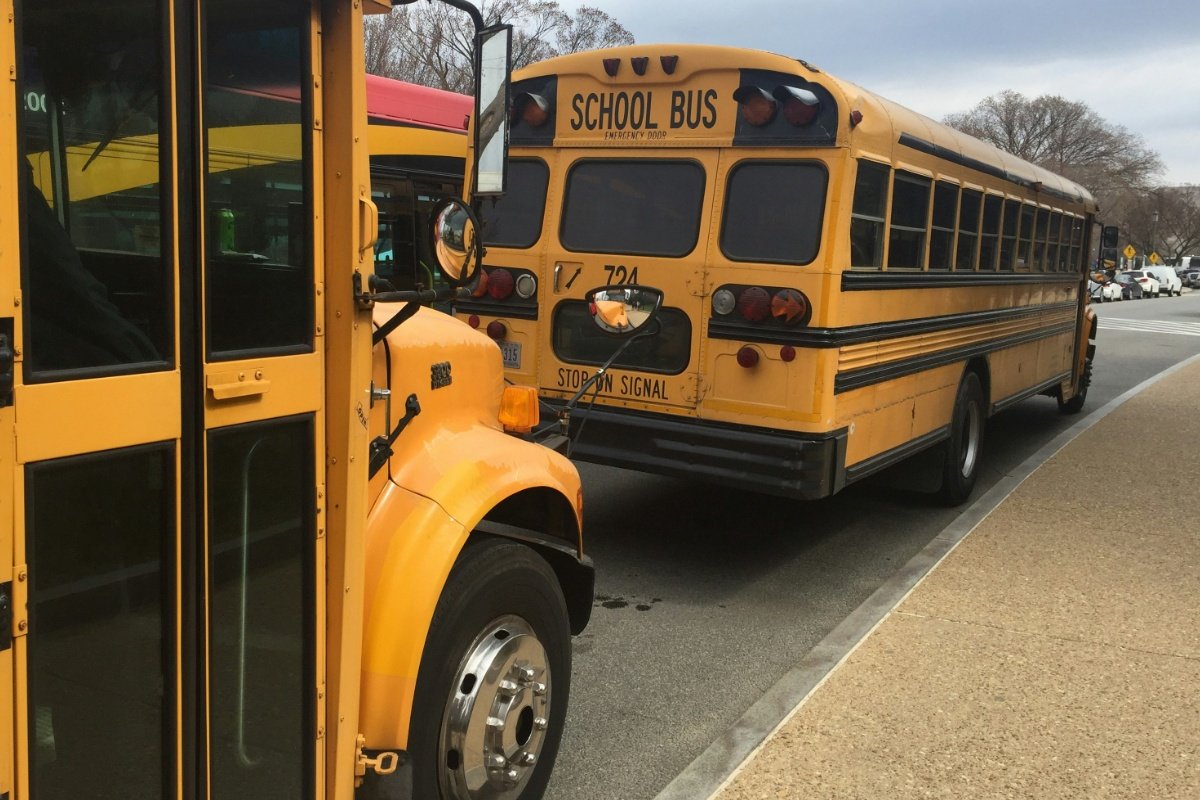
We recently asked school bus drivers what inspired them to choose this career. Was it the flexible schedule, the opportunity to work with kids, or the sense of fulfillment that comes from helping their communities? The responses varied, but they all shared a common theme: school bus driving offers much more than just a paycheck. It’s a job that provides purpose, flexibility, and connection with the community.

Driving a school bus is more than just transporting students — it’s about ensuring safety, maintaining order, and managing a variety of challenges on and off the road. From handling student behavior to dealing with unpredictable traffic, each day brings new obstacles. We asked school bus drivers to share the most challenging parts of their job and their strategies for overcoming them. Here’s what they had to say.