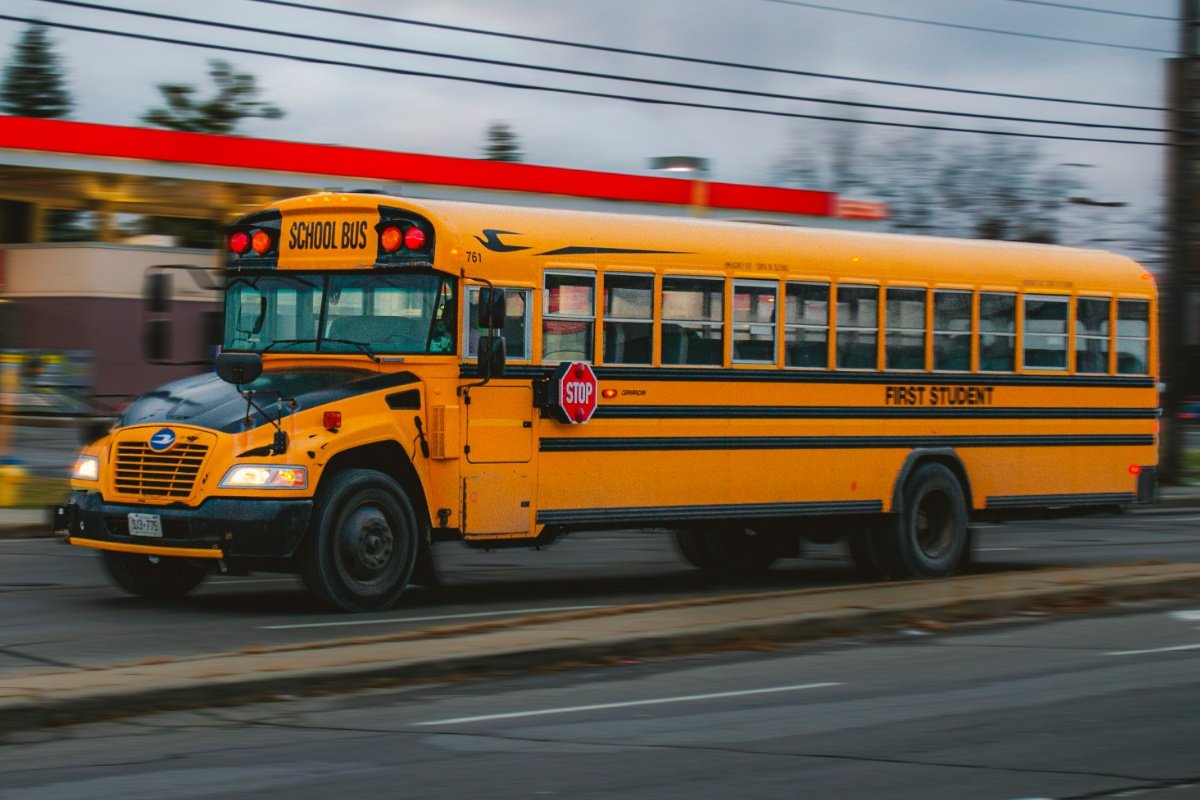
New York State has made a bold move in the fight against climate change and air pollution. Under a 2022 state law, every school bus operating in the state must be fully electric by the year 2035. In addition, starting in 2027, all newly purchased school buses must be zero-emission vehicles. This legislation is a major step toward reducing greenhouse gas emissions and improving air quality — particularly in urban areas where diesel buses contribute heavily to pollution.
But while the goals are ambitious, current progress — especially in New York City — tells a more sobering story. According to City Limits, New York City’s public school bus fleet includes approximately 10,500 vehicles. Of those, only 68 are currently electric. That’s less than 1 percent of the entire fleet, raising serious concerns about the city’s ability to meet the 2035 deadline.
The slow pace of electrification isn’t unique to New York City. Across the country, school districts are grappling with the complex challenges of transitioning to electric fleets. The cost of electric buses remains significantly higher than diesel models, despite available state and federal incentives. Charging infrastructure is another major hurdle. Urban environments like NYC must navigate space constraints, grid readiness, and logistical planning to install sufficient charging stations at depots and along routes.
There are also operational challenges to consider. Electric buses typically have shorter ranges than their diesel counterparts, which may impact route planning, especially during winter months when battery efficiency can drop. School districts must also invest in workforce training to ensure drivers, mechanics, and transportation staff are equipped to manage and maintain electric vehicles.
Still, the benefits of the transition are substantial. Electric school buses produce zero tailpipe emissions, leading to improved air quality around schools and neighborhoods. They also operate more quietly than diesel buses, reducing noise pollution. Over time, electric buses may offer lower fuel and maintenance costs, helping districts save money in the long run.
The transition won’t happen overnight — but it must happen, and soon. New York’s law gives districts roughly a decade to fully phase out diesel-powered school buses. For New York City, which is currently electrifying at a slow pace, accelerating that effort will require stronger policy support, increased investment, and greater coordination between public and private stakeholders.
The road to an all-electric school bus fleet is long, but the direction is clear. For the 150,000+ children who ride NYC school buses each day, a cleaner, quieter, and healthier future depends on it.