Have you ever wondered why school buses are painted bright yellow? It turns out that there's actually a very specific reason behind this color choice. In this post, we'll explore the history of school bus colors and explain why yellow is still the go-to hue for school buses today.
The first school buses in the United States were horse-drawn carriages, and they were often painted the same color as other wagons and carriages of the time, which was usually brown or green. However, as motorized school buses began to emerge in the early 20th century, there was a growing concern for student safety on the roads.
In 1939, a conference of transportation officials and educators was held to establish a set of standards for school buses, including color. After conducting research and tests, they determined that yellow was the safest color for school buses, as it was easy to see in all weather conditions and could be quickly recognized by drivers on the road.
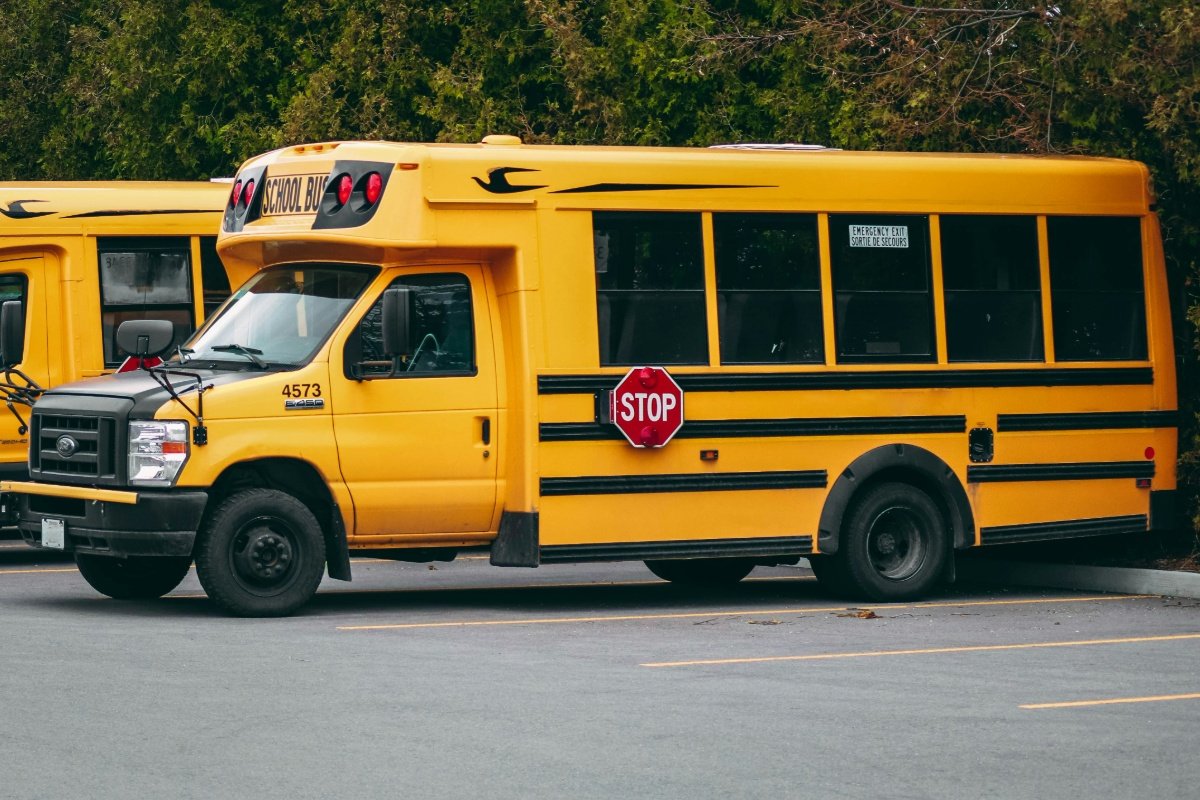
Today, school buses are required by law to be painted "National School Bus Glossy Yellow," a specific shade of yellow that was standardized by the National Highway Traffic Safety Administration (NHTSA) in the 1970s. This color is achieved through a mix of pigments and resins that provide a high level of reflectivity and durability, ensuring that school buses remain visible and identifiable on the road for years to come.
Conclusion: While it may seem like a small detail, the bright yellow color of school buses plays an important role in keeping students safe on the roads. By making school buses highly visible and easy to recognize, drivers are able to take extra precautions when sharing the road with these large vehicles. So the next time you see a bright yellow school bus, you can appreciate the thought and care that went into selecting that color.